
 Written by M. Broderick
 Why Airflow Engineering Matters
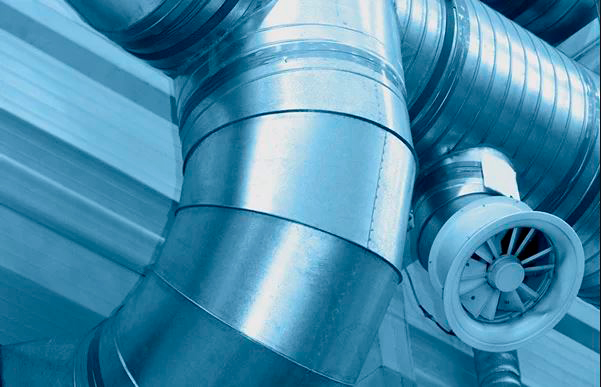
Air is invisible, but it is one of the most powerful forces in our daily lives. From the comfort of an office building to the efficiency of an industrial facility, the way air moves through a system determines comfort, safety, and performance. That’s why airflow is not just a byproduct of HVAC equipment — it’s a science in itself.
Understanding Airflow Basics
At its core, airflow is about pressure and movement. Fans and blowers are designed to move air against resistance, just like a pump moves water through pipes. This resistance — called static pressure — comes from ductwork, filters, and system components. The goal of an engineer is to balance volume (CFM) and pressure (in. wg) so the system runs efficiently.
Why Precision Engineering Matters
When airflow isn’t properly engineered, problems occur:
- Inefficiency – Equipment works harder than it should, consuming more energy.
- Discomfort – Uneven heating, cooling, or ventilation across a building.
- System Failures – Motors, bearings, and components wear out prematurely.
That’s why HVAC engineering demands the same level of rigor whether the project is a small commercial system or a large-scale industrial installation. Every system deserves precise calculations and design.
The Role of Fan Design
The geometry of fan blades, the motor horsepower, and the system configuration all play a role in airflow performance. For example:
- Axial fans move high volumes of air efficiently in applications where space is tight.
- Centrifugal fans handle higher pressures and filtration systems.
- Mixed flow designs balance both.
By applying fluid dynamics and efficiency standards, engineers ensure the right fan is selected for the job — not too big, not too small, but optimized for long-term performance.
Compliance and Standards
Modern HVAC systems must also meet stringent energy codes and regulations. Standards such as the CEC (California Energy Commission) and ASHRAE efficiency guidelines require equipment to achieve measurable benchmarks like Fan Energy Index (FEI > 1.0). These regulations aren’t just boxes to check — they’re essential for reducing energy consumption and supporting sustainability.
For building owners, facility managers, and engineers alike, understanding the science of air means:
- Better Decision-Making – Selecting equipment that matches your system needs.
- Long-Term Value – Reduced maintenance and energy costs.
- Peace of Mind – Knowing the system is engineered with precision and compliance in mind.
At ILG Canadian Fans & Blowers Inc., we believe every project — no matter its size — deserves the same careful attention to detail. Air may be invisible, but the impact of well-designed airflow is unmistakable.